
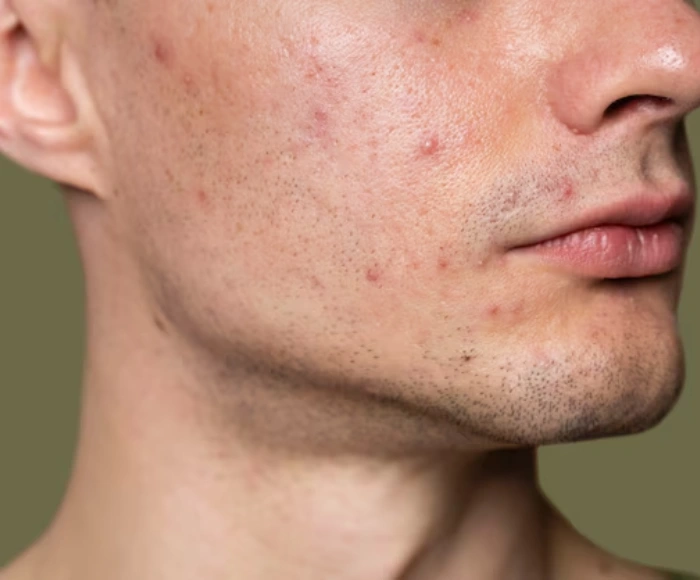
Acne is one of the most misunderstood skin conditions out there.
Everyone has an opinion. Very few have the right solution.
From DIY hacks to viral skincare trends, people try everything, yet the breakouts keep coming back, sometimes worse than before. That’s because acne isn’t random. It’s a medical condition, and treating it fast requires more than guesswork.
If you want real results, it starts with understanding what actually works—and what’s quietly ruining your skin.
If you’re expecting a magic overnight cure, let’s reset expectations slightly.
The fastest approach combines:
And this is exactly how dermatologists approach acne.
When speed matters, dermatologists don’t rely on guesswork, they use evidence-based treatments tailored to your acne type.
Here’s what that typically includes:
These are your first line of defence:
Yes, salicylic acid and benzoyl peroxide can clear acne quickly—especially for mild to moderate breakouts.
For moderate to severe acne:
These work from within and speed up the healing process significantly.
When you need visible improvement fast:
Yes, chemical peels and laser treatments are highly effective for acne, especially when combined with medical therapy.
Let’s be honest—completely eliminating acne overnight is rare.
But you can:
Quick Fixes That Actually Work:
These won’t erase acne instantly—but they’ll make a visible difference by morning.
If your acne looks angry and inflamed, focus on calming it:
Less irritation = faster healing.
When it comes to speed, not all ingredients are equal.
Dermatologist-Approved Acne Fighters:
The right combination, used consistently, delivers faster and more stable results.
Keep it simple. Overdoing skincare is one of the biggest mistakes.
Morning Routine:
Night Routine:
Consistency beats complexity. Always.
This is where most people unknowingly slow down their progress.
Avoid these at all costs:
It’s tempting. We’ve all done it.
But here’s what actually happens when you pop pimples:
Yes, popping pimples can make acne worse – significantly.
If it’s a painful cyst, a dermatologist can treat it safely without damage.
This depends on severity and treatment:
The key is consistency.
Quick fixes help—but long-term clearance needs a plan.
Don’t wait too long. You should consult a dermatologist if:
Early treatment prevents:
When it comes to treating acne effectively and efficiently, expertise matters.
Dr. Manisha Mareddy, Founder & Consultant Dermatologist at Shlok Dermatology & Wellness, is known for her refined and results-driven approach to acne treatment.
With over a decade of experience in dermatology and dermatosurgery, she approaches acne not just as a surface issue—but as a complex skin condition that needs personalised care.
What makes her approach different?
Focus on fast yet safe results without damaging the skin barrier
From stubborn acne and acne scars to hormonal breakouts, her treatments are designed to:
Her philosophy is clear—clear skin shouldn’t come at the cost of long-term skin health.
If you’re dealing with acne, speed matters—but strategy matters more.
The fastest way to treat acne isn’t about trying everything at once.
It’s about:
Because when acne is treated correctly, it doesn’t just go away faster—it stays away longer.
Yes. Reducing high sugar and dairy intake may help in some individuals, especially with hormonal acne.
Some natural remedies may soothe mild acne, but they’re not reliable for moderate to severe cases.
Absolutely. Stress triggers hormonal changes that can worsen acne.
Yes. It prevents pigmentation and protects skin during treatment.
It can, especially if underlying causes aren’t addressed. Maintenance is important. Which is why it is important to get proper treatment from expert skin specialists.
Yes, when prescribed correctly. Dermatologists adjust treatments based on your skin type.
Some fade, but deeper scars usually need professional treatment.
Always. Early treatment prevents scars, pigmentation, and long-term damage.