

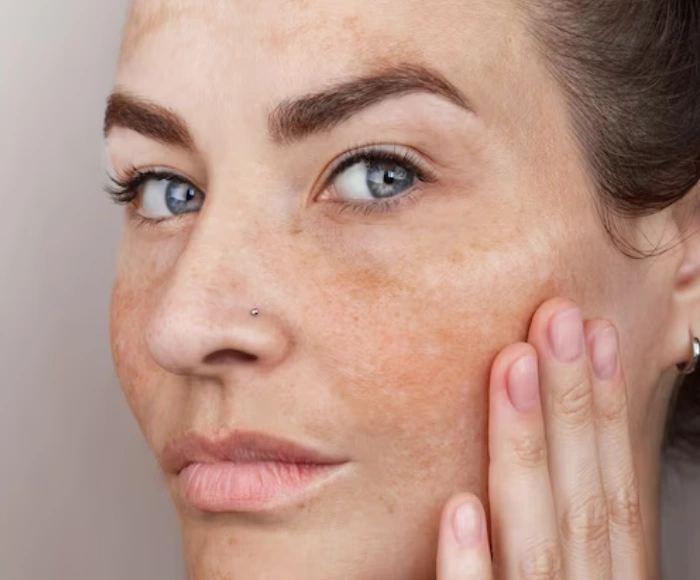
How to Remove Pigmentation from the Face Permanently?
If you’re looking for a permanent solution to facial pigmentation, the answer isn’t a single cream or one-time treatment – it’s a combination of the right diagnosis, targeted treatments, and strict maintenance.
Pigmentation can be significantly reduced, and in many cases, cleared to the point where it’s barely visible. However, whether it stays gone permanently depends on what caused it in the first place and how well your skin is maintained afterward.
The most effective way to remove pigmentation permanently involves:
- Identifying the exact type of pigmentation
- Using medical-grade treatments to break down excess melanin
- Preventing recurrence with sun protection and maintenance care
This is where expert-led treatment makes all the difference.
What Actually Works for Permanent Pigmentation Removal?
From a dermatological perspective, pigmentation sits at different depths in the skin—and each layer requires a different approach. Topical creams alone rarely work for deeper pigmentation.
The most effective treatments include:
1. Laser Treatments (For Deep and Stubborn Pigmentation)
Lasers target melanin directly, breaking it down into smaller particles that your body gradually clears.
- Best for: Melasma, sunspots, stubborn pigmentation
- Results: Visible improvement within a few sessions
- Key benefit: Works on deeper layers where creams cannot reach
2. Chemical Peels (For Surface-Level Pigmentation)
These use controlled exfoliation to remove pigmented skin cells and stimulate renewal.
- Best for: Tan, post-acne marks, mild pigmentation
- Results: Brighter, more even-toned skin over multiple sessions
3. Medical-Grade Topical Treatments
Prescription formulations help regulate melanin production.
- Ingredients: Retinoids, azelaic acid, kojic acid, tranexamic acid
- Best for: Maintenance and mild pigmentation
4. Combination Treatments (Most Effective Approach)
In real clinical practice, the best results come from combining lasers, peels, and topical care.
Can Pigmentation Be Completely Cured?
Pigmentation can be effectively cleared and controlled, but calling it “permanently cured” depends on the cause.
- Sun-induced pigmentation – Can be removed and kept away with sunscreen
- Post-acne pigmentation – Usually fades completely with treatment
- Melasma – Can be controlled long-term but has a tendency to recur
The goal is not just removal—but long-term control with minimal recurrence.
How Long Does It Take to Remove Pigmentation Permanently?
- Mild pigmentation: 4–6 weeks
- Moderate pigmentation: 2–3 months
- Deep pigmentation (like melasma): 3–6 months or more
Consistency is key!
Pigmentation doesn’t clear overnight, but correct treatment accelerates results significantly.
How Many Sessions Are Required For Pigmentation Treatment?
- Chemical peels: 4–6 sessions
- Laser treatments: 3–6 sessions
- Combination plans: Tailored based on skin response
The Real Role of Home Remedies
Think of home remedies as supportive care, not treatment.
- They may help maintain skin health
- They can slightly improve overall brightness
- But they cannot remove deep or stubborn pigmentation
For conditions like melasma, post-acne pigmentation, or sun damage, medical treatments are essential to target the pigment effectively and safely.
This is where a dermatologist-led approach becomes important, because treating pigmentation is not just about lightening the skin, but controlling how pigment is formed in the first place.
Home Remedies for Pigmentation: Do They Really Work?
When dealing with facial pigmentation, most people start with home remedies and understandably so. Ingredients like aloe vera, turmeric, potato juice, yogurt, and lemon are often recommended for their supposed “skin-lightening” or brightening properties.
These remedies can sometimes help in soothing the skin, improving hydration, and giving a temporary glow. In very mild cases, they may slightly reduce the appearance of superficial pigmentation over time.
However, it’s important to understand their limitations.
Expert-Led Pigmentation Treatment Matters
Treating pigmentation effectively requires more than just selecting a treatment, it requires precision, experience, and a deep understanding of skin behaviour.
At Shlok Dermatology & Wellness, Dr. Manisha Mareddy is known for her extensive experience in managing complex pigmentation concerns, especially in Indian skin types that are more prone to recurrence and sensitivity.
Her approach focuses on:
- Accurate diagnosis of pigmentation type and depth
- Customised combination treatments using lasers, peels, and advanced topicals
- Long-term maintenance protocols to prevent recurrence
With a strong background in dermatology and dermatosurgery, she emphasises gradual, controlled correction to ensure results that are safe, natural-looking, and sustainable over time.
Can Pigmentation Come Back After Treatment?
Yes, especially if triggers are not controlled.
Pigmentation can return due to:
- Sun exposure
- Hormonal changes
- Skipping maintenance care
This is why sunscreen and follow-up care are non-negotiable.
FAQs
1. Can pigmentation be removed permanently from the face?
Pigmentation can be significantly reduced or cleared with the right treatments, but permanence depends on the cause. With proper maintenance and sun protection, results can be long-lasting and stable.
2. What is the best treatment for facial pigmentation?
There is no one-size-fits-all solution. The best treatment for facial pigmentation depends on the type and depth of pigmentation, but combination therapies using lasers, peels, and medical-grade skincare tend to give the most effective results.
3. Which treatment works fastest for pigmentation removal?
Laser treatments generally offer the fastest results for deeper pigmentation, while chemical peels work well for surface-level concerns. A customised plan often delivers faster and more balanced outcomes.
4. Is laser treatment safe for pigmentation?
Yes, when performed by an experienced dermatologist, laser treatments are safe and effective. The key is using the right technology and settings for your skin type.
5. How many sessions are needed to remove pigmentation?
Most people require multiple sessions—typically between 3 to 6 for lasers or 4 to 6 for peels. The exact number depends on how stubborn the pigmentation is.
6. Can old pigmentation be treated?
Yes, even long-standing pigmentation can be improved with advanced dermatological treatments. However, older and deeper pigmentation may take longer to respond.
7. Are there side effects of pigmentation treatments?
Side effects are usually mild and temporary, such as redness or slight peeling. These resolve quickly with proper aftercare and dermatologist guidance.
8. Why does pigmentation come back after treatment?
Pigmentation can recur if triggers like sun exposure or hormonal changes are not controlled. Maintenance care and sunscreen play a crucial role in preventing recurrence.

Dr. Manisha Mareddy – Dermatologist & Skin Wellness Expert
Dr. Manisha Mareddy is a leading dermatologist and founder of Shlok Dermatology & Wellness in Kokapet, Hyderabad. With over 10 years of expertise in aesthetic and medical dermatology, she is trusted for her personalized care and proven treatment approach.