
How to Remove Acne Scars Permanently: Top Treatments Compared
Acne may fade, but the marks it leaves behind often stay much longer. For many people, acne scars are not just a cosmetic concern—they become a constant reminder of past skin struggles, affecting confidence and how one feels about their skin every day.
The reassuring part is that acne scars can be treated. In most cases, they can be significantly reduced to the point where they are barely noticeable. However, achieving this requires more than just trying random treatments. It requires a structured, well-informed approach guided by expertise.
Because when it comes to acne scars, the treatment is only as good as the strategy behind it.
Are Acne Scars Permanent or Can They Be Removed?
This is one of the most common concerns.
Acne scars are not always permanent. Superficial marks, such as post-inflammatory pigmentation, may fade over time. However, deeper scars—like indented or pitted scars—do not resolve on their own and require medical intervention.
Complete removal is rare, but modern dermatology can dramatically improve the appearance of scars. The goal is to make them blend seamlessly with the surrounding skin so they are no longer noticeable in everyday life.
Understanding Different Types of Acne Scars
Before choosing a treatment, it is important to understand the type of acne scars present.
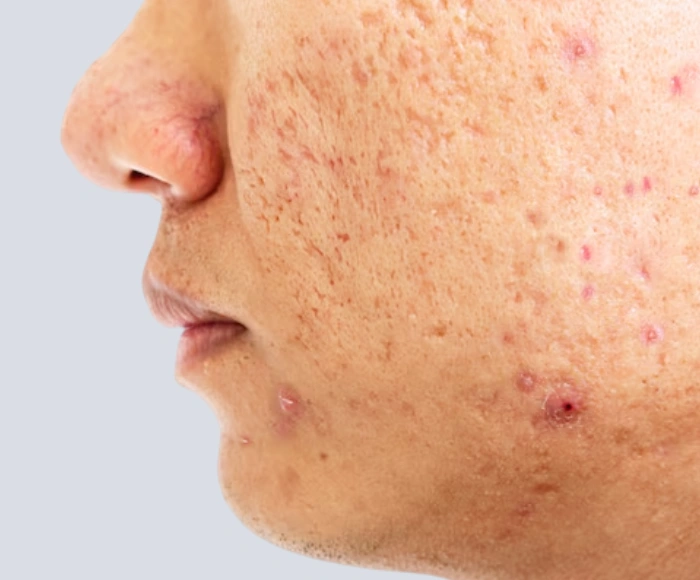
Ice pick scars are deep, narrow, and look like tiny punctures in the skin. Boxcar scars are wider with defined edges, giving the skin a slightly uneven appearance. Rolling scars create a wave-like texture due to fibrous bands pulling the skin downward.
Each type behaves differently and responds to different treatments. Most individuals have a combination of these scars, which is why a customised approach is essential.
What Is the Best Treatment for Acne Scars?
There is no single “best” treatment for acne scars. The most effective results come from combining different techniques based on the skin’s needs.
Morpheus8
Morpheus8 is an advanced skin rejuvenation treatment that combines microneedling with radiofrequency (RF) energy to work deeper within the skin. It creates controlled micro-injuries while simultaneously delivering heat into the dermis, which enhances collagen remodeling and tightens the skin from within.
This dual-action approach makes it especially effective for deeper acne scars, including boxcar and some rolling scars, while also improving overall skin texture and firmness.
Laser Treatments
Laser resurfacing is one of the most advanced and effective treatments for acne scars. It works by targeting deeper layers of the skin to stimulate collagen while improving surface texture.
Laser treatments are especially useful for deeper scars and mixed scar types. They often provide faster and more visible results compared to basic treatments.
Chemical Peels
Chemical peels involve controlled exfoliation of the skin’s top layer. They are helpful for superficial scars and pigmentation left behind by acne.
While they improve overall skin tone and brightness, they are not sufficient on their own for deep scars. They are best used as part of a combination treatment plan.
Subcision
Subcision is a specialised procedure used for deep, tethered scars. It works by breaking the fibrous bands that pull the skin downward, allowing the skin to lift and appear smoother.
This treatment is particularly effective for rolling scars and is often combined with microneedling or laser treatments for better results.
Advanced Regenerative Treatments
Modern dermatology has introduced regenerative therapies that enhance healing and improve outcomes.
These include P-R-P (Platelet-Rich Plasma), G-F-C (Growth Factor Concentrate), exosomes, and PDRN therapies. When used alongside procedures like microneedling or lasers, they accelerate collagen production and improve overall skin health.
Which Treatment Works Best for Different Scar Types?
Treatment selection depends on the scar type.
Ice pick scars respond best to targeted treatments like TCA CROSS and laser resurfacing. Boxcar scars benefit from microneedling combined with laser treatments. Rolling scars show the best results with subcision along with collagen-stimulating procedures.
Since most patients have multiple scar types, combination treatments usually provide the most effective outcome.
Laser vs Chemical Peels: Which Is Better For Acne Scar?
Chemical peels are effective for surface-level concerns, including pigmentation and mild textural irregularities. They improve skin tone and brightness but have limited impact on deeper acne scars.
Laser treatments, on the other hand, work at a deeper level and are more effective for structural changes in the skin. For moderate to severe acne scarring, laser treatments are generally the preferred option.
In many cases, both are used together to enhance results.
How Long Does It Take to Remove Acne Scars?
Acne scar treatment is a gradual process.
Initial improvements can be seen after three to four sessions. Significant reduction usually takes four to eight sessions, depending on the severity of the scars. Final results continue to improve over three to six months as collagen rebuilds within the skin.
The process requires patience, but the results are long-lasting.
How Many Sessions Are Required?
The number of sessions depends on the type and depth of scars.
Microneedling typically requires four to six sessions. Laser treatments may require three to five sessions. Combination treatments are customised and may extend over a few months.
Consistency plays a crucial role in achieving optimal results.
What Is the Cost of Acne Scar Treatment in India?
The cost varies based on the clinic, technology used, and treatment plan.
- Microneedling sessions generally range from ₹4,000 to ₹10,000.
- Laser treatments can range from ₹8,000 to ₹25,000 per session.
- Combination treatments are often offered as customised packages.
Choosing the right treatment plan from the beginning often saves both time and cost in the long run.
Dr. Manisha Mareddy’s Approach to Acne Scar Treatment
Treating acne scars requires more than choosing a procedure. It demands a clear understanding of scar type, depth, and how the skin responds to treatment. With over a decade of experience in dermatology and dermatosurgery, Dr. Manisha Mareddy has treated a wide range of acne scar cases across leading institutions, giving her strong clinical insight into managing even complex scarring, especially in Indian skin types.
At Shlok Dermatology & Wellness, her approach begins with a detailed clinical assessment, where scars are analysed for depth, tethering, and collagen loss. Based on this, she creates customised combination treatment plans that may include subcision, microneedling, advanced lasers, and regenerative therapies like PRP or GFC.
Her focus remains on progressive, controlled correction rather than aggressive treatments, ensuring results that are not only visible but also natural, safe, and long-lasting.
Can Acne Scars Be Removed Permanently?
Acne scars can be significantly reduced to the point where they are barely visible. While complete removal is rare, modern treatments can transform the skin in a meaningful and lasting way.
The earlier the treatment begins, the better the results tend to be.
FAQs
1. Can old acne scars be treated effectively?
Yes, even older acne scars can be treated with advanced dermatological procedures. However, they may require more sessions compared to newer scars because the skin has had more time to settle into those patterns.
2. Which acne scar treatment gives the fastest results?
Laser treatments, especially when combined with regenerative therapies, tend to provide faster visible improvements. However, meaningful and lasting results still require multiple sessions over time.
3. Are acne scar treatments painful?
Most treatments involve mild discomfort rather than significant pain, and numbing creams are typically used to ensure comfort. Any post-treatment sensitivity is temporary and manageable.
4. Can acne scars return after treatment?
Once treated, acne scars do not return. However, new acne breakouts can lead to new scars if not properly managed, which is why controlling active acne is equally important.
5. Is one session enough to remove acne scars?
No, acne scar treatment is a gradual process that requires multiple sessions. Each session builds on the previous one to progressively improve the skin’s texture and appearance.
6. Are there long-term side effects of acne scar treatments?
When performed correctly by an experienced dermatologist, treatments are safe with minimal long-term risks. The key is proper technique and appropriate treatment selection.
7. How soon can visible improvement be seen?
Some improvement in skin texture and tone may be visible within a few weeks. However, deeper changes take time as collagen production increases over several months.
8. Can skincare products alone remove acne scars?
Topical skincare products can help with mild marks and pigmentation but are generally not effective for deeper scars. Professional treatments are necessary for significant and lasting improvement.
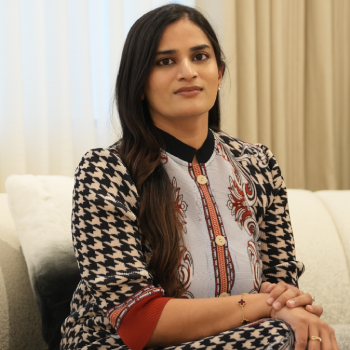
Dr. Manisha Mareddy – Dermatologist & Skin Wellness Expert
Dr. Manisha Mareddy is a leading dermatologist and founder of Shlok Dermatology & Wellness in Kokapet, Hyderabad. With over 10 years of expertise in aesthetic and medical dermatology, she is trusted for her personalized care and proven treatment approach.