
When Should You Visit a Dermatologist? Early Signs You Shouldn’t Ignore
There’s a quiet moment most of us ignore – the one where your skin tries to tell you something. A stubborn pimple that refuses to leave. A patch of dryness that suddenly looks angry. Hair fall that feels “a little more than usual.”
We brush it off. Google it. Try a home remedy. Wait it out.
But here’s the truth, your skin is not just about appearance. It’s a living, responsive organ that often reflects deeper imbalances. And sometimes, the difference between a minor concern and a long-term problem is simply how early you choose to act.
This blog isn’t about scaring you. It’s about helping you recognise when your skin needs professional attention, and when it’s time to stop guessing and start understanding.
So, When Should You Actually Visit a Dermatologist?
A good rule of thumb?
If a skin, hair, or scalp concern persists beyond 2–3 weeks, worsens, or affects your confidence or comfort, it’s time you check with.
But beyond timelines, there are specific early signs you should never ignore.
Early Signs Your Skin Needs Medical Attention
1. Acne That Doesn’t Behave Like “Normal Acne”
A few breakouts here and there? Completely normal.
But if you notice:
- Painful, cystic acne
- Frequent flare-ups despite skincare
- Acne leaving marks or scars
…it’s no longer just cosmetic—it’s clinical.
When to see a dermatologist for acne:
- When over-the-counter products stop working
- When acne becomes painful or leaves marks
- When it starts affecting your confidence
Early treatment can prevent permanent scarring and pigmentation, which are much harder to treat later.
2. Hair Fall That Feels Excessive or Sudden
We all lose hair daily—but there’s a difference between normal shedding and something more serious.
Watch out for:
- Noticeable thinning
- Widening parting
- Hair fall in clumps
- Sudden shedding after stress, illness, or weight loss
When to consult a doctor for hair loss:
- If hair fall lasts more than 3–4 weeks
- If density is visibly reducing
- If scalp itching or dandruff accompanies it
Hair loss is often reversible—if treated early. Delay, and it may become harder to recover lost density.
3. Pigmentation That Keeps Getting Darker
A little uneven tone is common. But persistent pigmentation is not something to ignore.
Red flags include:
- Dark patches on cheeks or forehead (melasma)
- Acne marks that don’t fade
- Sudden uneven skin tone
When to see a dermatologist for pigmentation:
- When it deepens despite sunscreen
- When it spreads or becomes patchy
- When home remedies don’t help
Pigmentation often worsens with wrong treatments, especially DIY fixes.
4. Skin Changes That Feel “Different”
Your skin has a pattern. When it suddenly changes, it’s worth paying attention.
Look for:
- Persistent redness or irritation
- Itching without a clear cause
- Rashes that don’t heal
- Sudden sensitivity
These could indicate eczema, allergies, infections, or chronic skin conditions that require medical care.
5. Moles or Skin Growths That Change
This is one of the most important warning signs people overlook.
Be cautious if a mole:
- Changes in size, shape, or color
- Becomes itchy, painful, or bleeds
- Develops uneven borders
When should you get a mole checked?
Immediately, if you notice any change
While most are harmless, some changes can indicate serious skin conditions, including early skin cancer.
When Is a Skin Problem Considered Serious?
Not every concern is urgent, but some clearly are.
You should not delay if you experience:
- Rapidly spreading rashes
- Severe itching or swelling
- Skin infections (pus, pain, warmth)
- Open wounds that don’t heal
- Sudden hair loss in patches
Your skin doesn’t escalate overnight without reason. If it feels aggressive or unusual, it likely needs expert attention.
When to Stop Relying on Home Remedies
Home remedies are comforting but they’re not always safe.
You should avoid DIY treatments when:
- The condition is worsening
- You don’t know the exact cause
- The skin is sensitive or inflamed
- Previous attempts have failed
In fact, incorrect remedies often lead to:
- Burns
- Increased pigmentation
- Delayed healing
What feels “natural” isn’t always harmless.
What Does a Dermatologist Actually Treat?
A dermatologist isn’t just for “skin problems.” They are for skin, hair, scalp, and even aesthetic concerns.
This includes:
- Acne, acne scars
- Pigmentation, melasma
- Hair fall, thinning, scalp disorders
- Eczema, psoriasis, infections
- Ageing concerns like fine lines and dullness
- Laser treatments, skin rejuvenation, and more
In short, anything that affects your skin’s health, function, or appearance.
Why Early Diagnosis Changes Everything
Here’s what most people don’t realise:
- Skin conditions are easier to treat in early stages
- Delayed care often leads to complications
- Advanced treatments become necessary later
- Results take longer when intervention is late
Early diagnosis means:
- Simpler treatments
- Faster recovery
- Better, long-lasting results
And most importantly – less emotional stress.
Dr. Manisha Mareddy’s Thoughtful Approach to Skin Health
This is where the right dermatologist makes all the difference.
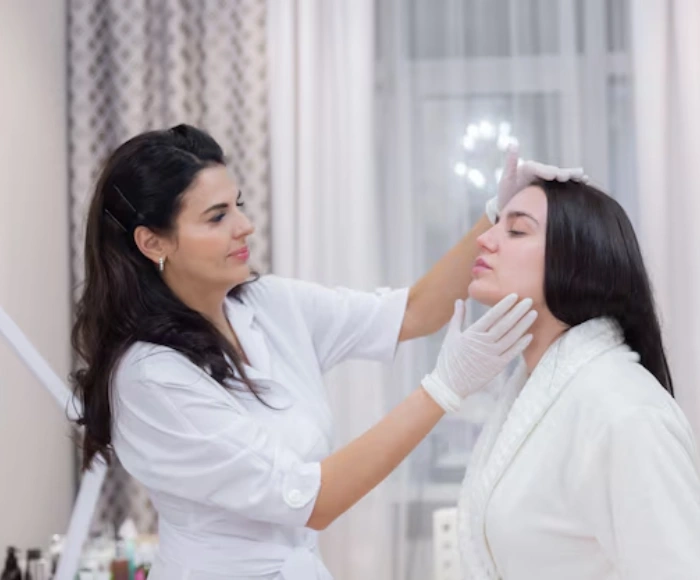
Dr. Manisha Mareddy, Founder & Consultant Dermatologist at Shlok Dermatology & Wellness, brings a rare balance of medical expertise and aesthetic sensitivity to her practice.
With over a decade of experience and advanced training in dermatology and dermatosurgery, her approach is not about quick fixes, it’s about understanding your skin deeply and treating it with intention.
What truly sets her apart:
Every consultation is personalised
Treatments are based on science, not trends
Focus remains on natural, refined results
Only necessary procedures are recommended
Her philosophy is simple yet powerful: Healthy skin is the foundation of true beauty.
Whether it’s acne, pigmentation, hair concerns, or advanced aesthetic treatments—her goal is to help patients feel confident in their skin, not dependent on treatments.
The Real Question Isn’t “Should I Go?”
It’s “Why Am I Waiting?”
Most people delay seeing a dermatologist hoping things will settle on their own.
Sometimes they do.
But often, they don’t.
And when they don’t, the cost isn’t just the money, it’s time, confidence, and long-term skin health.
Listening to your skin early is not overreacting. It’s being aware, proactive, and respectful of your body.
FAQs
1. How do I know if my skin issue is medical or cosmetic?
If the skin issue persists, worsens, causes discomfort, or doesn’t respond to basic care, it likely needs medical evaluation.
2. Can stress really affect skin and hair health?
Yes. Stress can trigger acne, hair fall, pigmentation, and flare-ups of conditions like eczema and psoriasis.
3. Is it okay to self-diagnose skin problems online?
Not advisable. Many skin conditions look similar but require completely different treatments.
4. How often should I visit a dermatologist if I don’t have major concerns?
A yearly skin check is a good practice, especially if you’re proactive about skincare and ageing.
5. Are skin treatments always long-term?
Not always. Some concerns resolve quickly, but chronic conditions may require ongoing management.
6. Can diet impact skin health?
Absolutely. Nutrition plays a key role in acne, pigmentation, and overall skin quality.
7. Do all skin problems need advanced treatments?
No. Many conditions can be managed with the right skincare and early intervention.
8. Is it better to see a dermatologist early even for small skin and hair concerns?
Yes. Early consultation often prevents minor skin and hair issues from becoming complex problems.

Dr. Manisha Mareddy – Dermatologist & Skin Wellness Expert
Dr. Manisha Mareddy is a leading dermatologist and founder of Shlok Dermatology & Wellness in Kokapet, Hyderabad. With over 10 years of expertise in aesthetic and medical dermatology, she is trusted for her personalized care and proven treatment approach.